Kai Peters · 6 September 2026
Silo-Based Frameworks for Enhancing User Engagement in Specialized Digital Ecosystems
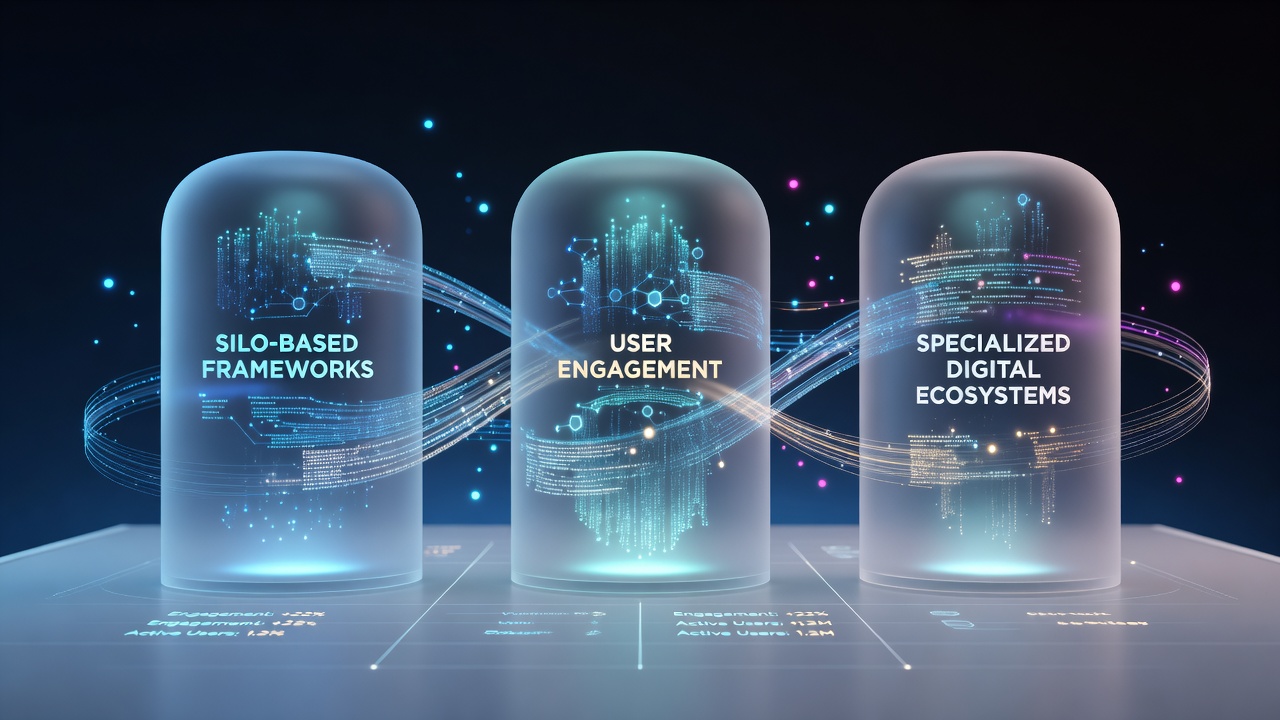
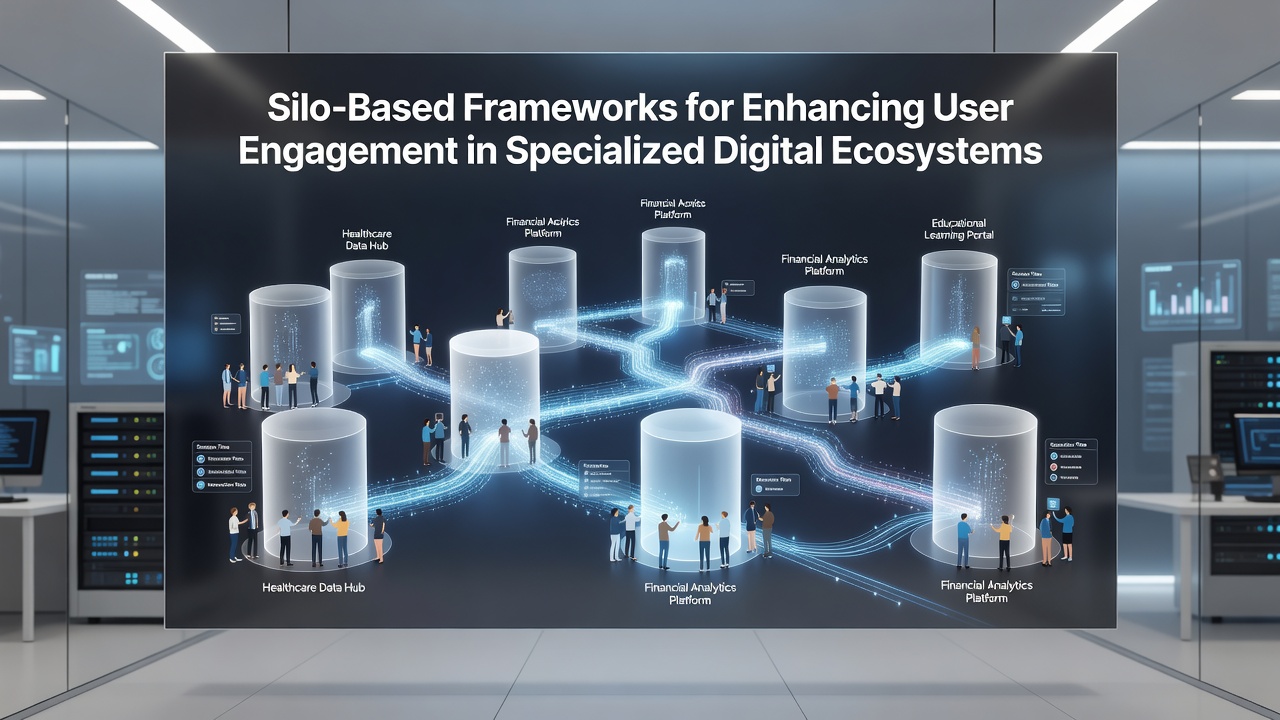
Specialized digital ecosystems rely on structured approaches to organize content and guide user interactions, and silo-based frameworks represent one method that groups related materials into distinct thematic clusters while maintaining connections across sections. Researchers have documented how these structures emerged from early web architecture practices in the 1990s and evolved through successive platform updates that prioritized topical relevance and navigation efficiency.
Core Components of Silo Frameworks
Each silo functions as a self-contained repository for a specific subject area, yet cross-links allow users to move between related clusters without disrupting their primary focus. Data from platform analytics indicates that this arrangement reduces bounce rates in niche communities by directing visitors toward deeper explorations within a single theme before they branch outward. Observers note that successful implementations incorporate clear hierarchy levels, where main category pages feed into subtopic entries and resource collections, all while preserving consistent metadata standards across teh system.
Implementation Patterns Across Platforms
Developers apply silo frameworks in environments ranging from enterprise knowledge bases to hobbyist forums by first mapping core topics and then establishing boundaries that prevent overlap. One study revealed that organizations adopting this model in 2024 reported measurable gains in session duration when they aligned silo boundaries with user search patterns rather than arbitrary categories. Integration with recommendation engines further strengthens these effects because algorithms can surface content from adjacent silos once initial engagement thresholds are met.
Measurement Approaches and Performance Indicators
Analytics teams track engagement through metrics such as pages per session, return visit frequency, and time spent within individual silos. Figures released by the Australian Bureau of Statistics on digital economy participation show that specialized platforms using thematic clustering experienced higher retention among users aged 25 to 44 compared with unstructured layouts. These indicators help administrators refine boundaries and identify when silos require expansion or consolidation to match shifting audience interests.
Case examples demonstrate practical outcomes in sectors like educational technology and professional networking sites, where content clusters built around certification pathways or industry verticals produced sustained interaction rates. Experts have observed that gradual rollout phases allow teams to test navigation flows and adjust internal linking before full deployment, minimizing disruption to existing user bases.
Challenges in Maintenance and Scaling
Maintenance requires ongoing audits to ensure links remain functional and content stays current within each silo, because outdated clusters can fragment user journeys. Research conducted at the University of Toronto's Knowledge Media Design Institute highlights how automated monitoring tools combined with periodic human review help sustain framework integrity as content volumes grow. Scaling introduces additional considerations around mobile responsiveness and search visibility, since search engines evaluate topical authority through the same clustered signals that support user navigation.
Regulatory developments in digital services continue to influence design choices, particularly around data handling and accessibility standards. The European Commission's reports on platform interoperability note that structured content systems can support compliance efforts when they incorporate clear labeling and consistent navigation cues for diverse user groups.
Future Directions and Emerging Adaptations
Advances in semantic analysis tools allow finer silo definitions that adapt dynamically to emerging subtopics without manual restructuring. Platform operators who monitor usage patterns through September 2026 will likely encounter new opportunities to refine cluster boundaries based on real-time behavioral data, although implementation timelines vary by organizational resources. Industry reports from the Information Technology Association of Canada indicate continued investment in these frameworks across specialized verticals, driven by evidence that organized content correlates with improved user retention figures.
Conclusion
Silo-based frameworks continue to serve as a foundational method for organizing content in specialized digital ecosystems, with documented effects on navigation efficiency and session metrics. Ongoing refinements in analytics and semantic technologies support their adaptation to changing user behaviors and regulatory requirements across multiple regions.