Olivia Neumann · 20 September 2026
Navigating Interconnected Resource Structures for Optimized Performance in Focused Online Communities
Focused online communities rely on interconnected resource structures that link member contributions, shared databases, external APIs, and content repositories into unified systems, and these connections allow groups to maintain efficiency while scaling participation across thousands of users each month. Researchers have documented how platforms integrate knowledge bases with real-time collaboration tools, creating pathways where data flows between forums, wikis, and analytics dashboards without requiring manual transfers. Observers note that such structures reduce duplication when communities coordinate events or research projects, since updates in one node propagate automatically to linked sections.
Core Elements of Resource Interconnection
Communities build these systems around centralized hubs that connect user-generated content with curated archives, while permission layers control access based on contribution history and role assignments. Data shows that successful implementations combine internal search indexes with external feeds from academic repositories or industry reports, enabling members to pull verified information directly into discussions. In September 2026, several major platforms plan to release updated federation protocols that standardize these links across different hosting providers, allowing smaller groups to participate without rebuilding their own infrastructure from scratch.
Performance optimization begins when administrators map resource dependencies and identify bottlenecks where traffic concentrates on single servers or outdated caches. Studies from university research teams indicate that communities using distributed storage solutions experience faster load times during peak activity periods, because files and records spread across multiple nodes rather than relying on one primary location. Those who monitor query logs often discover patterns where repeated searches for the same topics signal opportunities to pre-load related materials into local memory.
Practical Navigation Methods in Daily Operations
Members navigate these structures through layered interfaces that surface relevant resources based on context, such as thread activity or project tags, and this approach minimizes time spent hunting for files or references. European Commission digital strategy documents highlight how standardized metadata practices improve discoverability when communities operate across borders and languages. Administrators who implement automated tagging systems report that resource retrieval improves noticeably, since algorithms match user intent with stored items more accurately than manual categorization alone.
Case examples include niche developer forums that link code repositories directly to documentation pages and issue trackers, creating seamless transitions when contributors move between planning and implementation phases. Research indicates that groups maintaining clear version histories across connected tools avoid conflicts that arise when multiple users edit overlapping materials simultaneously. Performance metrics collected over extended periods reveal that communities adopting these methods sustain higher engagement rates because participants spend less time on administrative tasks and more on core activities.

Addressing Common Integration Challenges
Technical hurdles appear when legacy systems resist integration with newer platforms, yet communities overcome these barriers through middleware layers that translate data formats between incompatible tools. Observers have recorded instances where gradual migration strategies preserve historical records while introducing modern APIs, preventing data loss during transitions. Security protocols play a central role here, since interconnected structures expand potential entry points for unauthorized access, and regular audits combined with encryption standards help maintain integrity across all linked components.
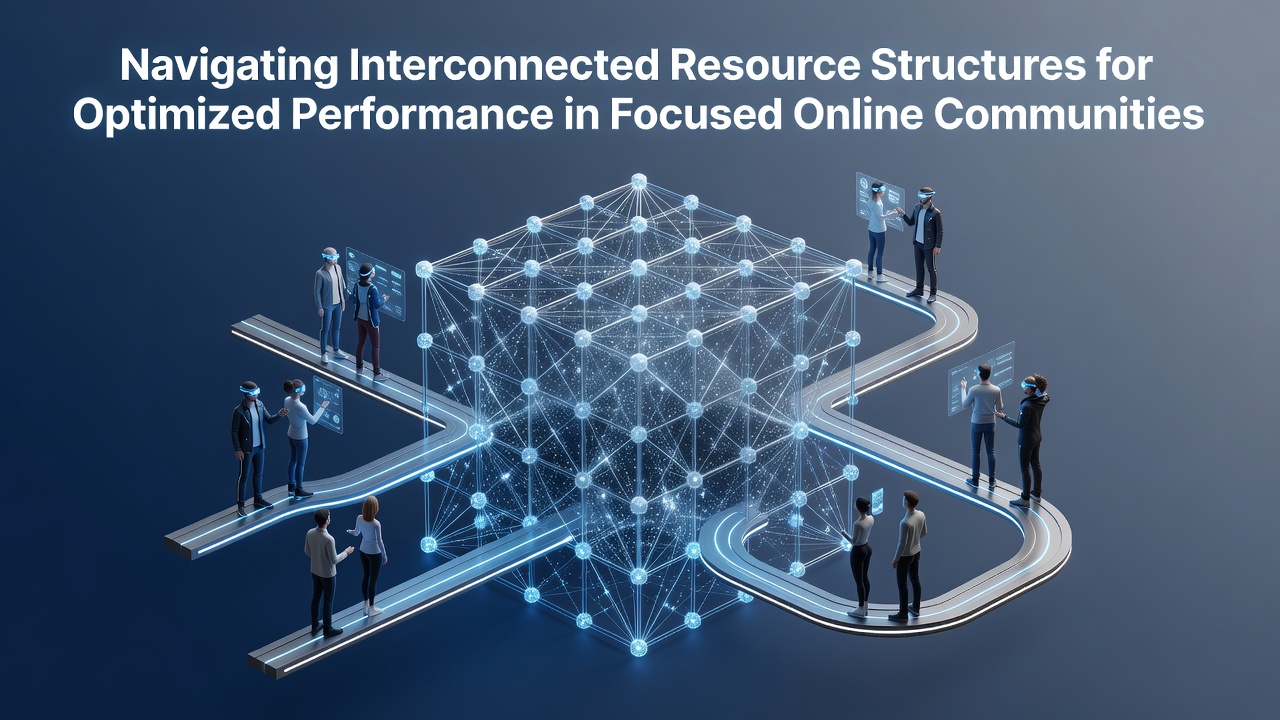
According to findings from Pew Research Center analyses of digital group behaviors, communities that train members on navigation tools see faster adoption of shared resources and fewer support requests. Metrics gathered from various platforms demonstrate that clear documentation of resource maps reduces onboarding time for new participants by providing visual guides to available materials and connection points.
Trends Shaping Future Resource Management
Emerging developments point toward greater use of AI-assisted routing that predicts which resources will see increased demand based on conversation trends and external events. Government reports from Canadian digital policy reviews emphasize the value of open standards that prevent vendor lock-in when communities evolve their technical stacks over time. Those tracking these shifts note that interoperability features allow specialized groups to exchange datasets securely while respecting privacy rules established by each participating organization.
Performance gains compound when communities conduct periodic reviews of their interconnection maps and retire unused pathways that consume maintenance resources without delivering value. Evidence from multiple industry reports suggests that modular designs, where individual components can be updated independently, support long-term sustainability better than monolithic setups that require full overhauls during upgrades.
Conclusion
Effective navigation of interconnected resource structures supports sustained performance in focused online communities by streamlining access, reducing redundancy, and enabling scalable collaboration. Data from diverse sources confirms that thoughtful implementation of these systems yields measurable improvements in both operational speed and member satisfaction over extended periods. As platforms continue evolving toward greater federation and automation, communities that prioritize clear mapping and regular optimization maintain competitive advantages in resource utilization.