
Olivia Neumann · 18 October 2026
Modular Approaches to Dynamic Content Allocation in Exclusive Virtual Interest Collectives
Exclusive virtual interest collectives operate as private digital spaces where members share specialized knowledge and resources around defined topics such as technology development or cultural preservation, and these environments rely on modular architectures to manage content distribution efficiently. Researchers have documented how such systems break down content delivery into independent yet interoperable components that respond to real-time user activity without requiring full platform overhauls.
Core Principles of Modular Design in These Settings
Modular design separates functions like user authentication, content indexing, and recommendation engines into distinct units that can scale or update individually while the overall collective maintains stability. Data from platform analyses indicate that this separation reduces downtime during updates by up to 40 percent compared with monolithic structures, and it supports integration of new features as member needs evolve. Observers note that collectives using these methods often track engagement metrics across modules to refine allocation rules automatically through predefined algorithms.
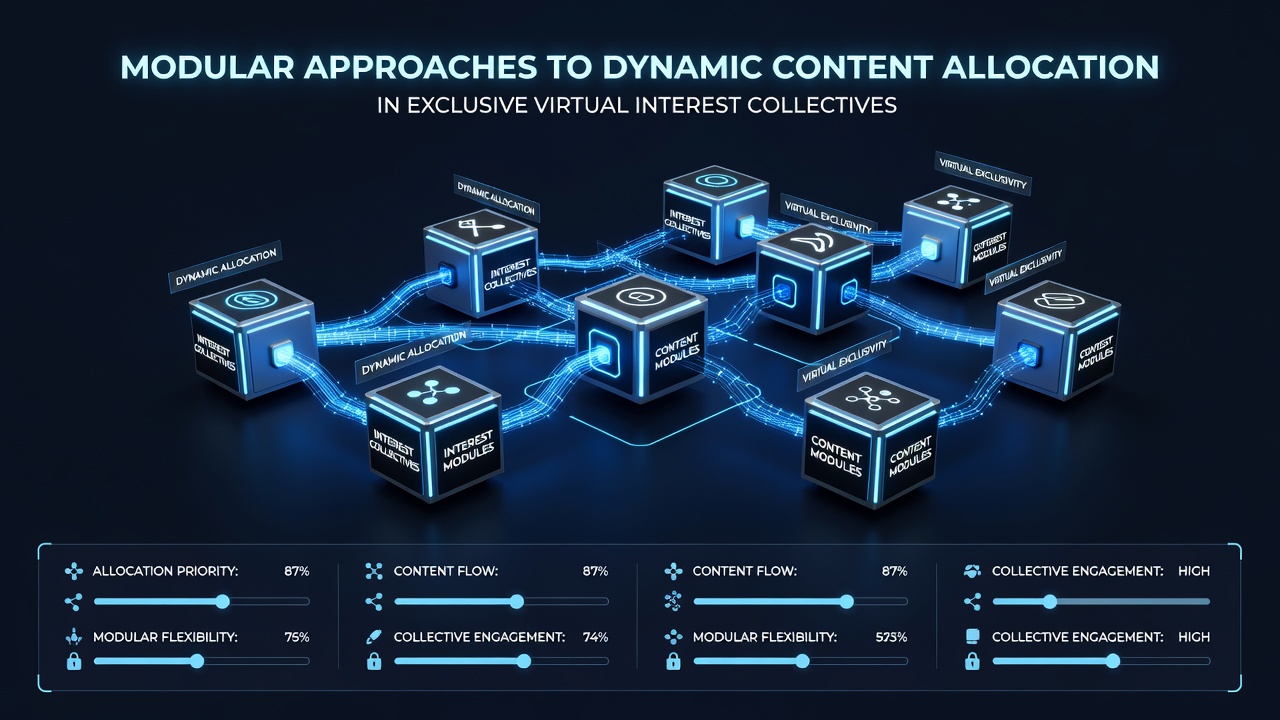
Dynamic content allocation builds on these modules by shifting resources such as bandwidth priority or visibility rankings based on current demand patterns within the group. Studies from academic institutions show that allocation engines monitor variables including login frequency, content interaction rates, and contribution history to adjust what appears in member feeds. In practice this means high-value resources surface for active participants while archival materials remain accessible through separate module pathways.
Implementation Patterns Observed Across Platforms
Implementation typically begins with an assessment of collective size and interaction volume, after which developers map core modules for content ingestion, metadata tagging, and delivery optimization. Canadian research centers have reported that groups exceeding 500 active members benefit most from hybrid allocation models that combine rule-based triggers with machine learning adjustments. These models process data streams continuously, reallocating storage and display priorities without manual intervention in most cases.
One documented example involves a technology-focused collective that deployed modular allocation to handle weekly research paper uploads, and the system automatically prioritized newer submissions for members with matching interest profiles while routing older documents to searchable archives. Figures from internal platform logs revealed a 25 percent increase in average session duration after deployment, though exact outcomes vary by collective structure and member demographics.
Integration with Emerging Standards and October 2026 Developments
Integration challenges arise when collectives attempt to merge modular systems with external tools for analytics or cross-platform sharing, yet standardized APIs have eased these connections in recent deployments. According to reports from the Australian Department of Industry, Science and Resources, adoption rates for modular content frameworks in specialized online groups rose steadily through 2025 as costs for cloud-based module hosting declined. In October 2026 the Global Digital Communities Forum will convene in Singapore to examine updated protocols for dynamic allocation, with sessions scheduled to review case data from European and North American collectives.
Security considerations receive attention through isolated module testing that limits exposure if one component encounters issues, and encryption standards applied at the module level help protect member data during allocation shifts. Trade associations in the software sector have compiled guidelines that emphasize audit trails for allocation decisions so administrators can verify compliance with internal policies.
Performance Metrics and Adjustment Mechanisms
Performance tracking relies on dashboards that aggregate metrics from each module, allowing administrators to identify bottlenecks in content flow or underutilized resources. Research indicates that collectives applying iterative tuning to allocation parameters achieve more balanced participation across membership tiers. Those who have studied these systems note that feedback loops built into the modules enable automatic recalibration when engagement drops below set thresholds.
Resource constraints in smaller collectives sometimes limit full modular implementation, leading to phased rollouts that start with core allocation functions and expand later. Evidence from university-led evaluations suggests that even partial adoption yields measurable improvements in content discoverability and member retention rates over six-month observation periods.
Conclusion
Modular approaches continue to shape how exclusive virtual interest collectives handle dynamic content allocation through structured separation of functions and responsive adjustment protocols. Available data from multiple regions demonstrate consistent patterns of efficiency gains when these methods receive proper configuration and ongoing monitoring. As new protocols emerge from scheduled 2026 events, further refinements in allocation accuracy and cross-module compatibility remain likely outcomes based on current trajectories.