Olivia Neumann · 4 October 2026
Adaptive Partitioning Methods for Streamlining Knowledge Flow in Niche Digital Groups
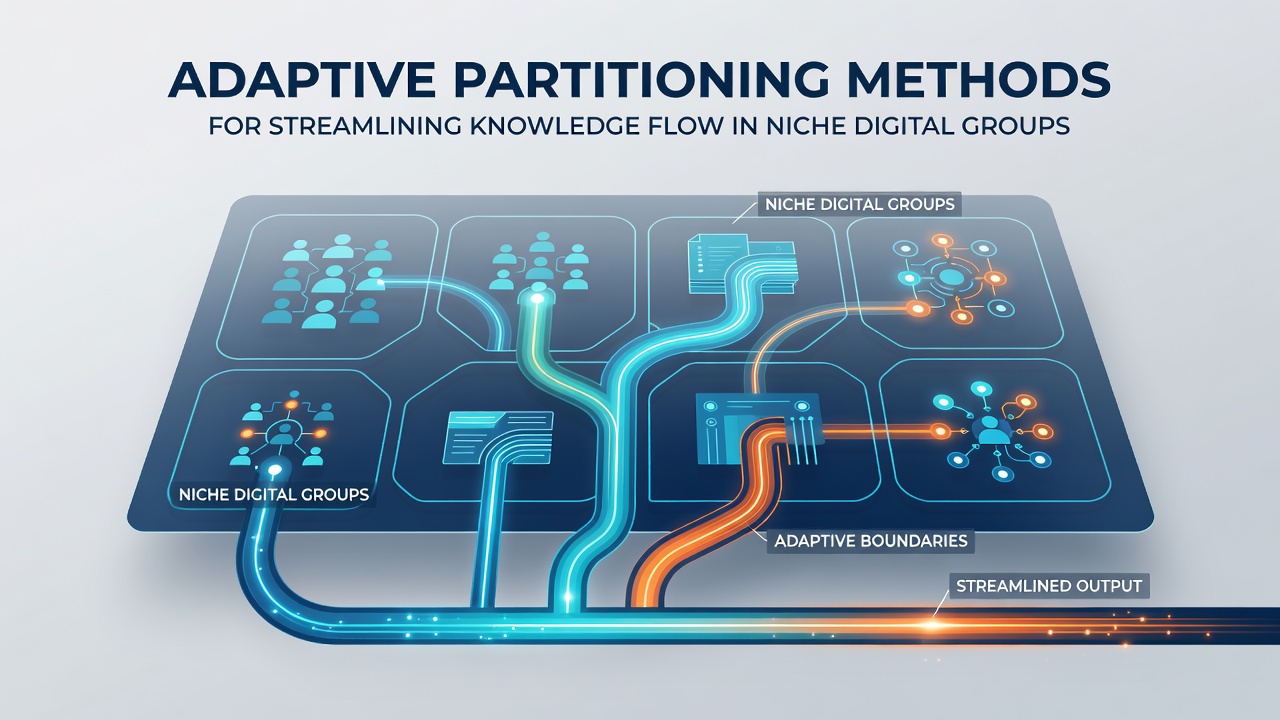
Adaptive partitioning methods divide digital content and user interactions into dynamic segments that adjust based on activity patterns and group needs, which helps maintain efficient knowledge circulation in specialized online communities. Researchers have observed these approaches in various platforms where fixed structures often lead to information overload or isolation of valuable insights, and data from multiple studies indicate that adaptive techniques respond to real-time usage metrics instead of relying on static categories.
Core Principles Behind Adaptive Partitioning
Partitioning in this context involves segmenting forums, wikis, or chat archives into subsets that evolve with community input, and experts note that algorithms monitor contribution rates along with query frequencies to trigger reallocation of resources. Studies from institutions across Europe and North America show that such methods incorporate feedback loops where user engagement data influences boundary adjustments, which prevents bottlenecks that occur when knowledge remains trapped in rigid hierarchies. Observers point out that machine learning models often underpin these systems by predicting future access patterns based on historical trends, allowing partitions to expand or contract without manual intervention from administrators.
Implementation in Niche Digital Environments
Smaller digital groups focused on topics like open-source hardware or regional environmental monitoring benefit from these techniques because they reduce noise while preserving depth, and reports compiled by research teams in Australia highlight cases where partitioning improved retrieval times for archived discussions. Community managers apply clustering algorithms that group related threads, then adapt cluster sizes according to emerging subtopics, which keeps conversations accessible yet contained. Data collected during 2025 platform analyses reveal that groups using adaptive approaches experienced measurable increases in cross-partition references, indicating stronger overall knowledge connectivity compared to non-adaptive setups.
Technical Mechanisms at Work
Algorithms evaluate metrics such as post velocity and link density to decide when to split or merge sections, and practitioners combine graph theory with temporal analysis to track how information propagates across the group. One documented implementation used distributed ledger concepts to log partition changes, ensuring transparency for participants who review historical adjustments. Figures from a Canadian university study released in early 2026 demonstrate that these mechanisms lowered duplicate content creation by up to 35 percent in tested communities, since users could locate existing resources more readily through the updated structure.
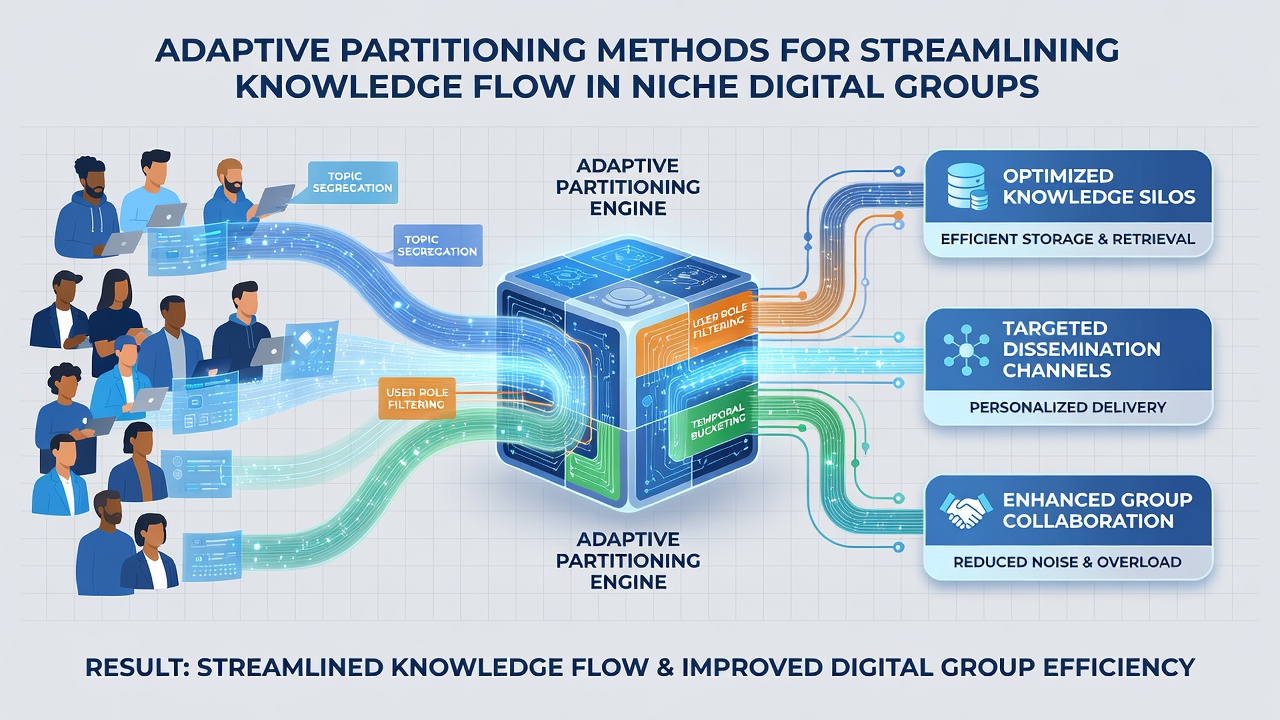
Integration with existing collaboration tools occurs through APIs that feed activity logs into partitioning engines, and developers report that this setup works across both centralized servers and decentralized networks. What's interesting is how October 2026 updates to several open-source frameworks introduced built-in support for adaptive modules, which simplified deployment for volunteer-run communities lacking dedicated technical staff. Those frameworks draw from prior work in distributed computing, adapting concepts originally designed for large-scale data centers to fit the scale of niche groups.
Observed Outcomes Across Different Regions
Groups in the Asia-Pacific region have adopted variants that emphasize mobile-first partitioning due to higher smartphone usage patterns, while European communities often prioritize compliance features tied to data protection regulations. Research indicates that hybrid models combining both geographic and topical partitions yield the most consistent knowledge flow improvements, according to comparative analyses published by international digital infrastructure organizations. Participants in these settings find that search functions return results scoped to relevant partitions first, which cuts down on irrelevant noise without restricting overall access.
Case examples include a European environmental data collective that restructured its repository after noticing seasonal spikes in certain query types, leading to temporary partitions that dissolved once activity normalized. Similar adjustments appeared in North American maker spaces where project documentation was dynamically grouped by tool category and skill level, allowing newcomers to locate foundational materials before advancing to advanced discussions.
Conclusion
Adaptive partitioning continues to evolve as communities experiment with new metrics and integration points, and ongoing research tracks long-term effects on retention and contribution quality. Organizations tracking digital collaboration trends note that these methods scale effectively when paired with clear governance rules that define how partitions form and dissolve. Future developments will likely incorporate additional sensor data from user devices to refine predictions further, maintaining relevance for groups that operate across changing technological landscapes.